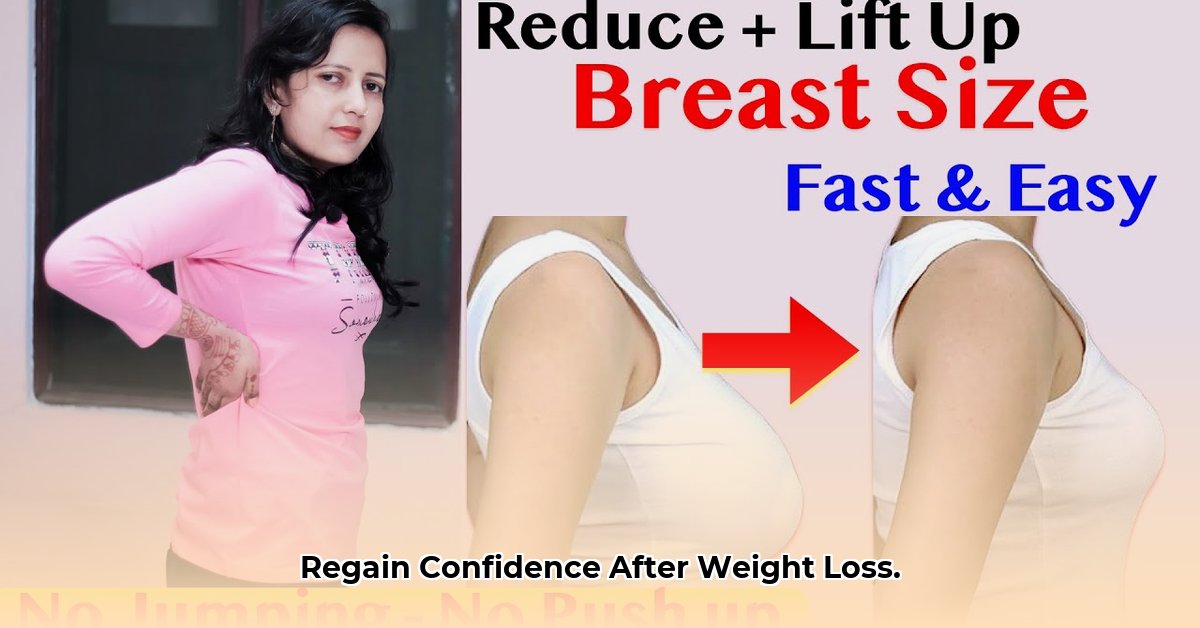
Significant weight loss is a remarkable achievement, but it can sometimes lead to changes in breast appearance, impacting self-image and confidence. This comprehensive review explores the reasons behind these changes, non-surgical and surgical options, and strategies for optimizing your outcome, fostering a holistic approach to well-being.
Understanding Breast Changes After Weight Loss
Weight loss primarily reduces fat deposits in the breasts, leading to decreased fullness and potential sagging. The skin, stretched during periods of higher weight, may not retract completely, contributing to a less firm appearance. Hormonal changes associated with weight loss can also influence breast tissue and elasticity. These changes are common and completely understandable, impacting many women's self-esteem.
Is a Weight Loss Breast Lift Right for Me?
A weight loss breast lift, or mastopexy (a surgical procedure to lift and reshape the breasts), is designed to address these post-weight-loss changes. It reshapes, repositions, and lifts breast tissue, restoring a more youthful appearance. However, it's not a universal solution. Before considering surgery, you should:
- Assess your concerns: Are you truly unhappy with the change in your breast shape?
- Achieve weight stability: Have you maintained a stable weight for a sufficient period? (Typically, at least six months is recommended.)
These are crucial questions to discuss with your doctor or plastic surgeon. Non-surgical options should be explored first.
Non-Surgical Alternatives: First Steps to Improvement
Before considering surgery, several non-surgical approaches can help to improve breast appearance:
- Supportive Bras: A well-fitting, supportive bra offers immediate lift and comfort. Consider sports bras for extra support during physical activity.
- Targeted Exercise: Strength training that focuses on pectoral muscles (chest muscles), such as push-ups and chest presses, can tone surrounding tissues and improve firmness. Aim for 2-3 sessions per week.
- Topical Treatments: Some topical creams claim to improve skin elasticity, but their effectiveness varies. Results are usually modest and not applicable for significant sagging.
These approaches may offer limited improvement, especially with significant sagging. They are best utilized as complementary strategies alongside other methods. It is important to realize that significant improvement in significant sagging often requires a surgical approach.
What Happens During a Weight Loss Breast Lift (Mastopexy)?
This procedure is highly individualized. Your surgeon will assess your anatomy and determine the best approach. Techniques involve removing excess skin, repositioning the nipples, and tightening underlying tissues to create a more lifted shape. Incision placement is strategically planned to minimize visible scarring. Your surgeon will thoroughly explain the process and expected results during a consultation.
Recovery and Post-Operative Care: A Step-by-Step Guide
Recovery requires time and diligent adherence to your surgeon's instructions. Expect some discomfort, swelling, and bruising initially. The post-operative care plan usually includes:
1. Pain Management: Follow your surgeon's prescribed pain management regimen, crucial for comfortable healing.
2. Rest and Recovery: Avoid strenuous activity and heavy lifting for the recommended duration. Gentle movement is encouraged as advised.
3. Wound Care: Maintain cleanliness and dryness of your incisions as instructed. Your surgeon provides detailed instructions on wound care to minimize infection risk.
4. Follow-up Appointments: Regular follow-up appointments are vital to monitor healing and address any concerns promptly.
Advantages and Disadvantages: A Balanced Perspective
Considering both pros and cons is vital before deciding on a weight loss breast lift:
| Advantages | Disadvantages |
|---|---|
| Improved breast shape, firmness, and youthful appearance | Surgical risks (infection, bleeding, scarring, complications) |
| Increased confidence and self-esteem | Recovery time with potential discomfort, swelling, and bruising |
| Long-lasting results (with proper care) | Significant cost; potential insurance coverage limitations |
| Restored balance and proportion after weight loss | Possible asymmetry or dissatisfaction with results; individual results vary significantly |
A Broader View: Self-Acceptance and Holistic Well-being
Remember, self-esteem extends beyond physical appearance. Maintaining a healthy lifestyle through balanced nutrition, regular exercise, and seeking support for body image concerns (if needed) contributes significantly to overall well-being. While a breast lift can positively impact self-confidence, it shouldn't be the sole focus of self-improvement.
How to Prevent Breast Sagging After Significant Weight Loss
Preventing sagging requires a multifaceted approach:
1. Targeted Exercise: Strengthen your pectoral muscles through exercises like push-ups and chest presses.
2. Bra Support: Wear a well-fitted, supportive bra, especially during physical activity.
3. Nutrition: Maintain a balanced diet rich in antioxidants and stay well-hydrated.
4. Posture: Good posture minimizes strain on chest muscles and ligaments.
5. Gradual Weight Loss: Rapid weight loss increases the risk of sagging; a gradual approach is gentler on the skin.
While complete prevention might not always be possible due to individual factors (genetics, age, initial breast size, the rate of weight loss), a proactive and healthy approach can significantly minimize sagging and improve breast health. A combination of lifestyle modifications and, possibly, medical interventions can lead to favorable outcomes. Consult with your doctor or a plastic surgeon to explore personalized options.